Home · Services · Contents Cleaning and Pack Out
Contents Cleaning and Pack Out in Saint Clair Shores, MI
Quick answer
Sorting, cleaning, and where needed storing your belongings after a fire, with a documented inventory for insurance.
Contents work on the shore has a sorting problem landlocked houses do not: a single garage may hold household storage, fishing gear, and boat equipment in one pile. Everything is photographed and listed before anything is discarded, then separated by the residue test into what cleaning can restore and what it cannot. The resulting record does double duty, as the crew's cleaning plan and as the family's contents claim, item by item.
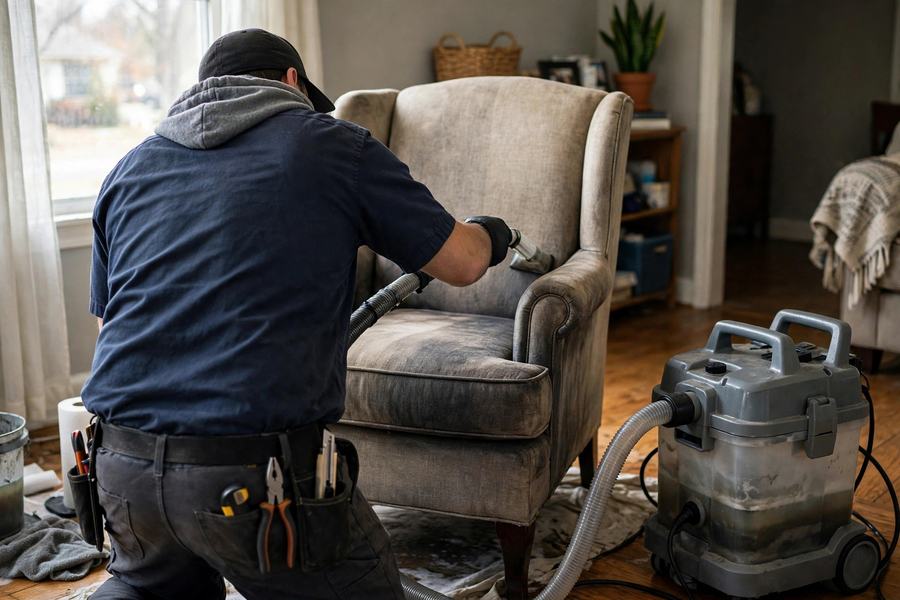
Signs you need contents cleaning and pack out
- Furniture, clothing, and keepsakes carry soot or smoke odor
- You are unsure what can be cleaned and what cannot
- The home will be under repair and belongings need to be out of the way
- Your insurer is asking for an inventory of damaged contents
What the job involves
What affects the price
- Volume of contents and how much is cleanable
- Material mix: upholstery, leather, electronics, and paper all need different handling
- Whether storage is needed and for how long
- How much documentation the insurer requires
- Rush items you need back first: work clothes, documents, medications storage, children's items
When it is an emergency
Contents are rarely a night one emergency, with two exceptions: items that are actively wet from firefighting water, and anything you will need in the next few days. Tell the crew about both in the first call so they are handled first.
PLACEHOLDERContents Cleaning and Pack Out across the Saint Clair Shores area
Related services
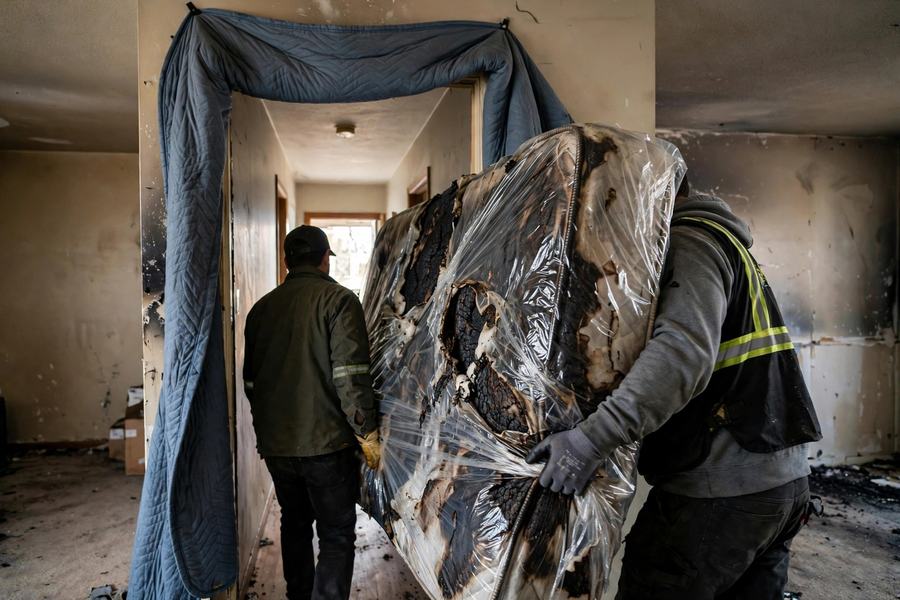
Fire Damage Restoration
Full restoration after a fire in the home: securing the property, removing what burned, cleaning smoke and soot, and rebuilding what the fire took.
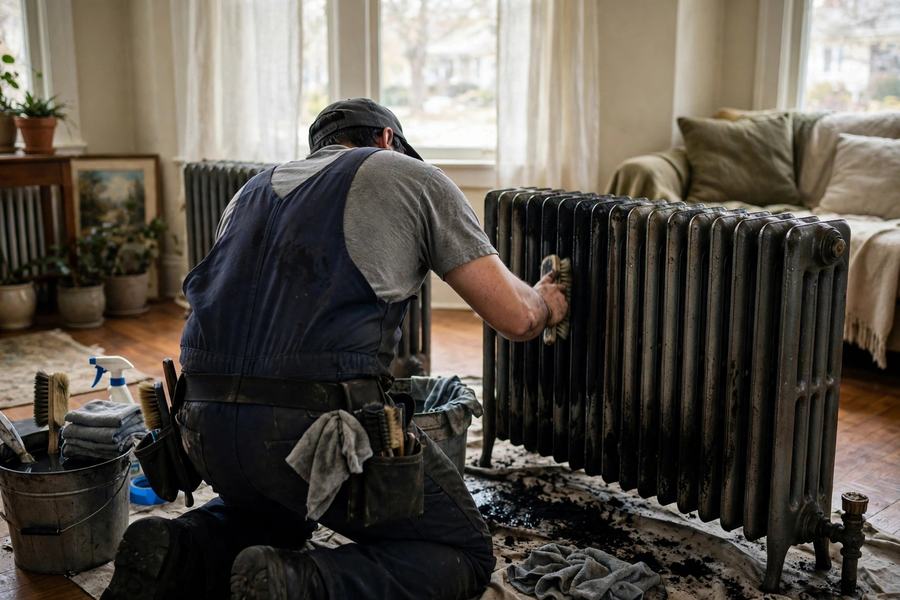
Furnace Puff Back Cleanup
Cleaning the oily soot a furnace or boiler puff back blows through the heating system and into every room.
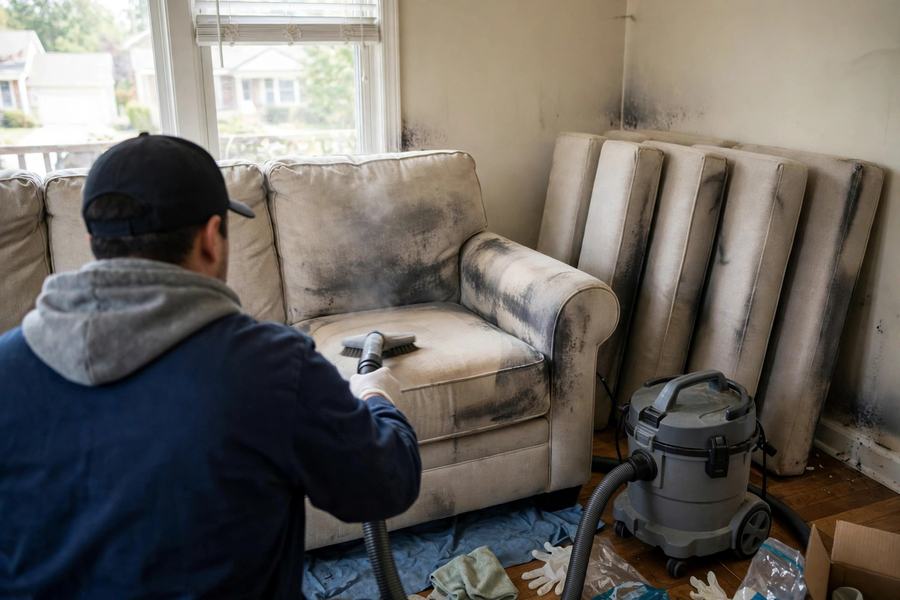
Smoke Damage Cleanup
Cleaning smoke residue and odor from walls, ceilings, and belongings, including in rooms the flames never reached.
Emergency Board Up and Tarping
Securing a fire damaged home the same night: boarding broken windows and doors, and tarping roof damage so weather stays out.
Contents Cleaning and Pack Out questions, answered
When is contents cleaning and pack out an emergency?
Contents are rarely a night one emergency, with two exceptions: items that are actively wet from firefighting water, and anything you will need in the next few days. Tell the crew about both in the first call so they are handled first.
What affects the price of contents cleaning and pack out in Saint Clair Shores?
The main price factors for contents cleaning and pack out are covered in the cost section above. The contractor confirms the exact price in a written estimate after seeing the job, and nothing is owed until you approve it. The call and the referral are free.
How much does fire damage restoration cost?
Published national figures from Angi (2026) put most homeowners' fire restoration between about $3,100 and about $52,000, with an average near $27,500 and cleanup priced around $4 to $7 per square foot. A minor kitchen smoke cleanup can start under $1,000, while a structural fire runs far past the top of that range. What decides your number is how many rooms burned versus smoked, whether structure is damaged, and how much firefighting water has to come out. Anyone quoting a firm total by phone is guessing; the honest sequence is an in person assessment and a written scope.
What should I do first after a house fire in Saint Clair Shores?
Safety first, always: do not re-enter until the fire department says the structure is safe. Then, in order: call your insurer to open the claim, arrange board up for any broken windows, doors, or roof damage so the home is secure that night, and do not wipe soot, wash walls, or run the heating and air system, because all three spread the damage. Photograph everything before anything is moved or thrown away, and keep receipts for any emergency spending.
Can I stay in my home after a fire?
If the fire department or your insurer's assessment says the home is unsafe or uninhabitable, no, and loss of use coverage may pay for a hotel or rental in the meantime. For a contained fire (a kitchen fire with smoke through the house, for example) staying is sometimes possible after the assessment, but smoke residue is a respiratory irritant, the HVAC should stay off until ducts are checked, and children, older adults, and anyone with asthma should be cautious. Ask the question directly at the assessment and get the answer in the scope notes.
Request a callback
Prefer to talk later? Leave your details and an independent local pro will call you back. No charge to you, no obligation.
Lake St Clair Fire Restoration is a free referral service. Submitting this form connects you with independent local contractors who provide the work.