Home · Services · Furnace Puff Back Cleanup
Furnace Puff Back Cleanup in Saint Clair Shores, MI
Quick answer
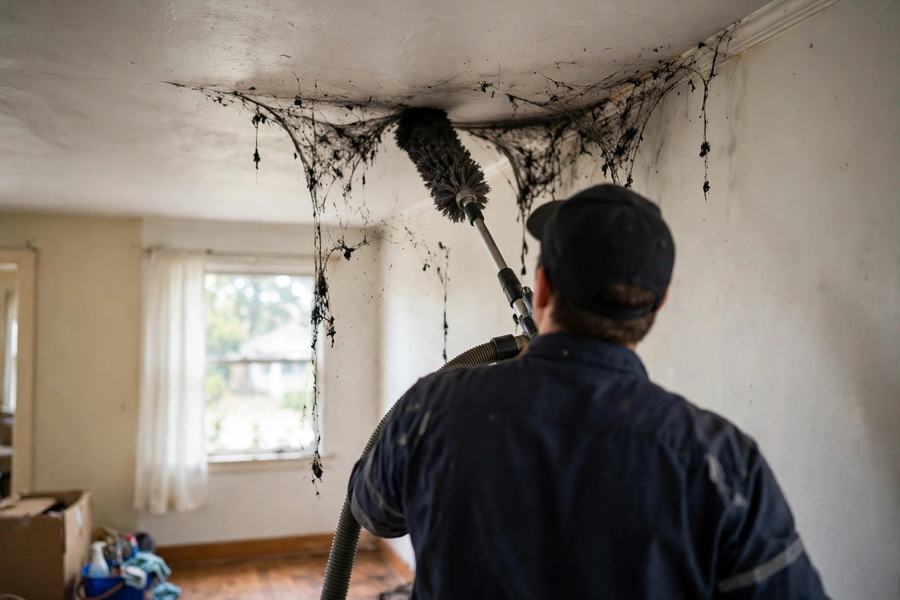
Cleaning the oily soot a furnace or boiler puff back blows through the heating system and into every room.
A puffback is a furnace misfire, not a fire: ignition comes late, pressure pops soot out of the burner, and the duct system delivers it to every register in the house. Cleanup therefore runs in a strict pairing with the furnace repair. The burner gets made right first, the ducts get cleaned second, and surfaces get lifted room by room, so the system that spread the soot is not the system asked to prove the house is clean. In this city's furnace heated stock the call peaks in the cold months, and it is priced as the cleaning job it is.
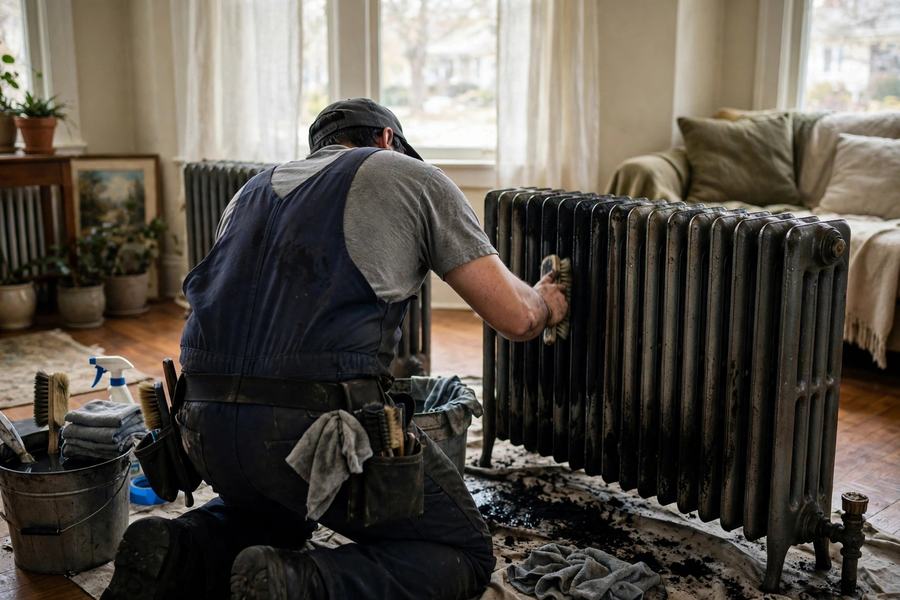
Signs you need furnace puff back cleanup
- A bang or rumble from the furnace was followed by soot around vents and registers
- Gray or black film appeared on walls and ceilings through the whole home at once
- The soot feels oily and smears when wiped
- The heating system is oil fired and has been running rough or serviced late
What the job involves
What affects the price
- Whether the home is heated by oil (the classic puff back source) and how long the system ran after the event
- How many rooms and levels the ducts reach
- Soot weight: a light dusting versus a heavy oily coat
- Furnace repair or service cost, which is separate from cleanup
- Contents and soft goods volume
When it is an emergency
A puff back looks alarming and is mostly a cleaning job, not a fire loss, but two rules matter: do not run the heat again before service, and do not wet wipe the soot, which is oily and smears into paint. Get the heating system serviced and the cleanup scoped together in the first calls.
PLACEHOLDERFurnace Puff Back Cleanup across the Saint Clair Shores area
Related services
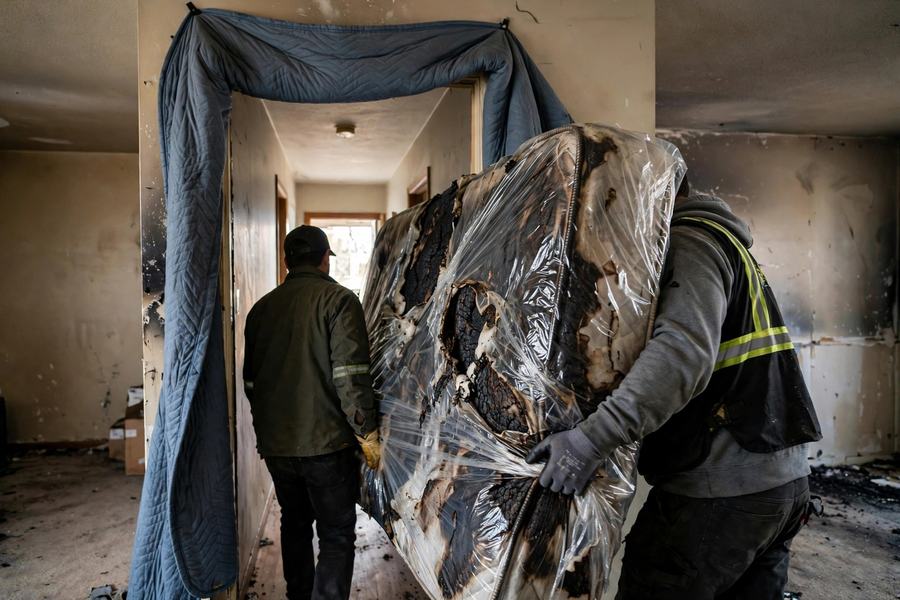
Fire Damage Restoration
Full restoration after a fire in the home: securing the property, removing what burned, cleaning smoke and soot, and rebuilding what the fire took.
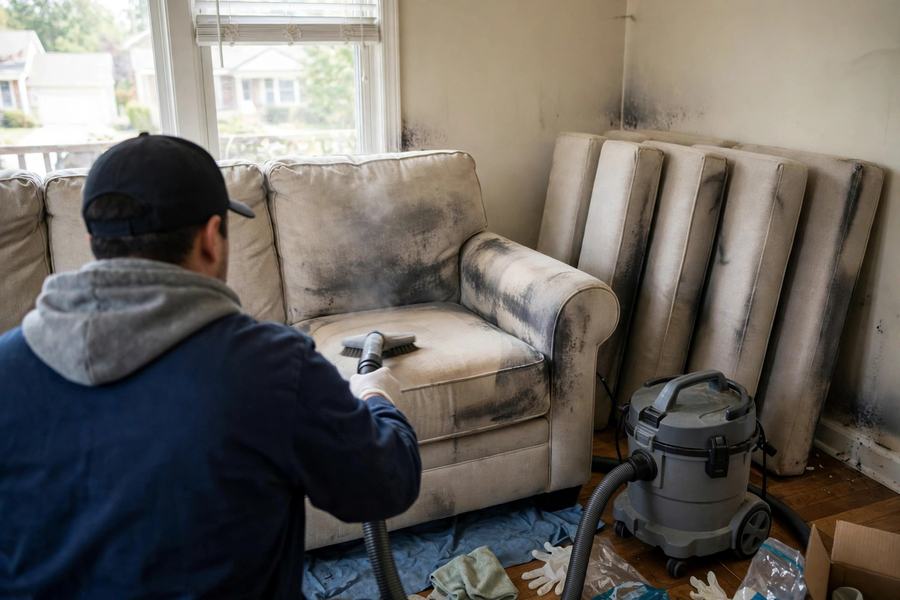
Smoke Damage Cleanup
Cleaning smoke residue and odor from walls, ceilings, and belongings, including in rooms the flames never reached.
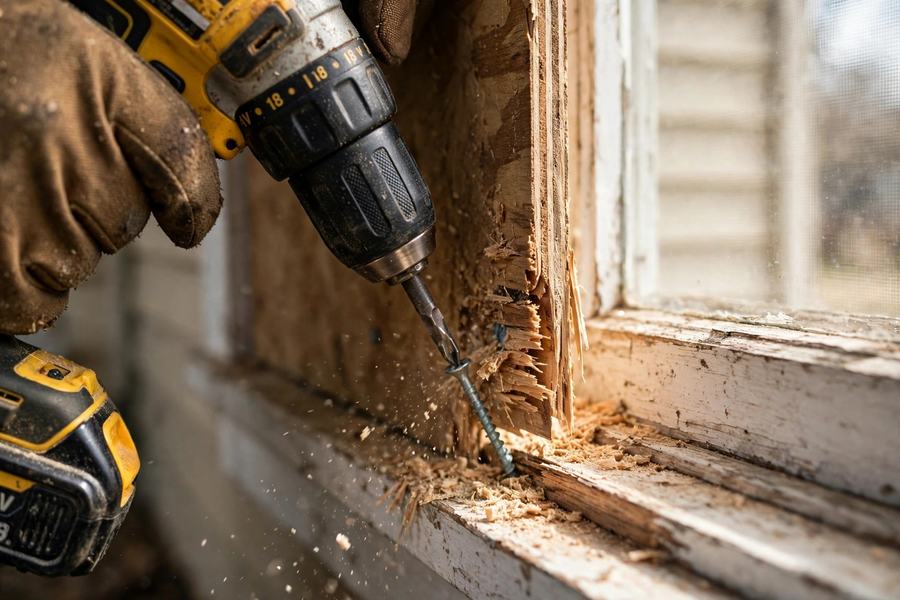
Emergency Board Up and Tarping
Securing a fire damaged home the same night: boarding broken windows and doors, and tarping roof damage so weather stays out.
Soot Removal
Removing soot from walls, ceilings, appliances, and fixtures before its acidity etches and permanently stains surfaces.
Furnace Puff Back Cleanup questions, answered
When is furnace puff back cleanup an emergency?
A puff back looks alarming and is mostly a cleaning job, not a fire loss, but two rules matter: do not run the heat again before service, and do not wet wipe the soot, which is oily and smears into paint. Get the heating system serviced and the cleanup scoped together in the first calls.
What affects the price of furnace puff back cleanup in Saint Clair Shores?
The main price factors for furnace puff back cleanup are covered in the cost section above. The contractor confirms the exact price in a written estimate after seeing the job, and nothing is owed until you approve it. The call and the referral are free.
Can I stay in my home after a fire?
If the fire department or your insurer's assessment says the home is unsafe or uninhabitable, no, and loss of use coverage may pay for a hotel or rental in the meantime. For a contained fire (a kitchen fire with smoke through the house, for example) staying is sometimes possible after the assessment, but smoke residue is a respiratory irritant, the HVAC should stay off until ducts are checked, and children, older adults, and anyone with asthma should be cautious. Ask the question directly at the assessment and get the answer in the scope notes.
How long does fire restoration take?
Smoke only losses typically take one to two weeks from first cleaning to odor treatment. A fire that damages structure runs to months: one or two rooms with structural work commonly take three to six weeks of active repair, and larger structural losses can run three to nine months including permits and inspections. The variables are the scope the insurer approves, material lead times, and inspection scheduling. A contractor should give you a phase timeline in writing, not a single date promised on the phone.
Can I clean soot and smoke damage myself?
For a very light smoke film in one room, careful cleaning is possible, but two warnings matter. First, never wet wipe soot before dry lifting it: water and household cleaners smear soot and can set stains into paint permanently. Second, protein smoke from a kitchen fire and soot inside ducts, cabinets, and wall cavities are beyond household tools, and acidic soot left sitting etches metals and finishes within days. If the smell or film reaches more than the room that burned, a professional assessment is the safer call.
Request a callback
Prefer to talk later? Leave your details and an independent local pro will call you back. No charge to you, no obligation.
Lake St Clair Fire Restoration is a free referral service. Submitting this form connects you with independent local contractors who provide the work.