Home · Services · Smoke Damage Cleanup
Smoke Damage Cleanup in Saint Clair Shores, MI
Quick answer
Cleaning smoke residue and odor from walls, ceilings, and belongings, including in rooms the flames never reached.
Cleaning smoke in a shore home is a residue question before it is a scrubbing question. Protein residue from a cooking fire behaves differently from dry wood soot, and the test result sets the chemistry. Work starts dry, lifting loose soot before any wet method touches a wall, and the map follows the registers: rooms the furnace served during the event are read as exposed until testing says otherwise. Lake humidity shortens every deadline in the plan, since damp residue corrodes finishes and fixtures faster than dry residue does.
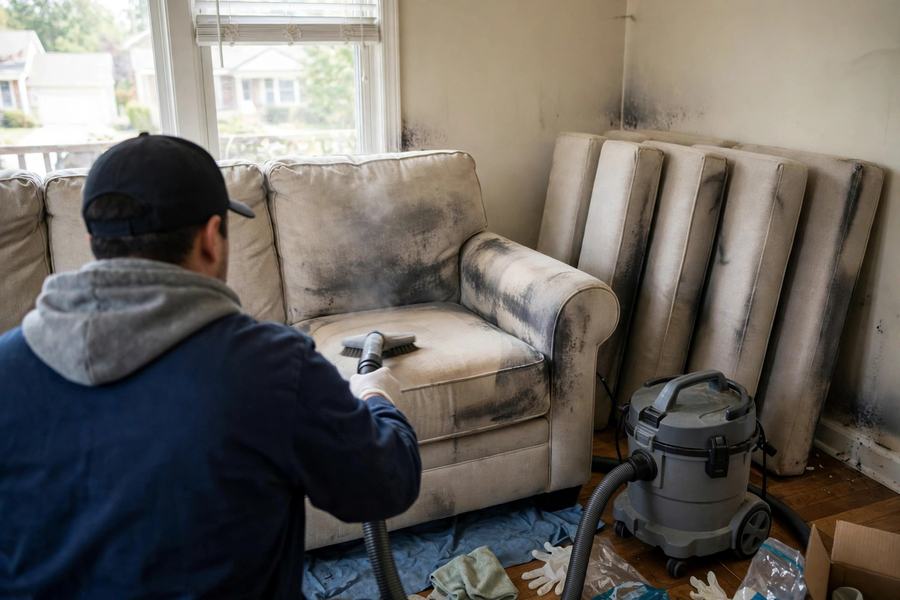
Signs you need smoke damage cleanup
- Walls and ceilings carry a gray or black film, worst near the ceiling line
- A smoke smell returns every time the house warms up or the air runs
- Rooms far from the fire smell as strong as the room that burned
- Light colored paint, blinds, and fabrics have yellowed or grayed
What the job involves
What affects the price
- How much of the home the smoke reached, which is usually more than the fire did
- Type of smoke: protein (kitchen) smoke is nearly invisible but far more corrosive to finishes
- Whether ducts and the HVAC system need cleaning
- How much contents cleaning is involved versus wall and ceiling work
- Whether repainting with a sealant primer is needed after cleaning
When it is an emergency
Smoke damage is not an emergency tonight unless the fire just happened, but do not run the furnace or air conditioning, and do not start wiping walls. Soot is acidic and starts permanently damaging metals, fixtures, and finishes within 24 to 48 hours, so the assessment should happen in the first day or two.
PLACEHOLDERSmoke Damage Cleanup across the Saint Clair Shores area
Related services
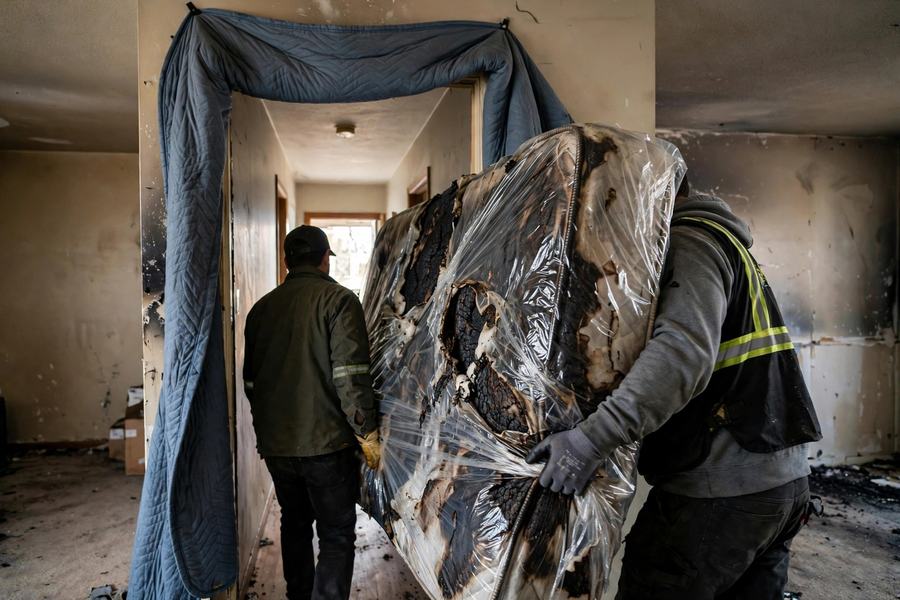
Fire Damage Restoration
Full restoration after a fire in the home: securing the property, removing what burned, cleaning smoke and soot, and rebuilding what the fire took.
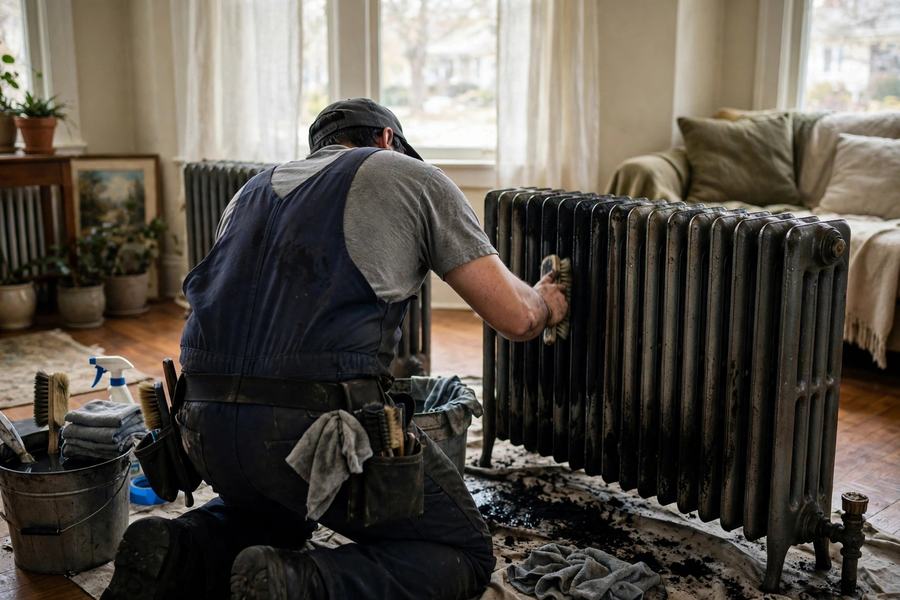
Furnace Puff Back Cleanup
Cleaning the oily soot a furnace or boiler puff back blows through the heating system and into every room.
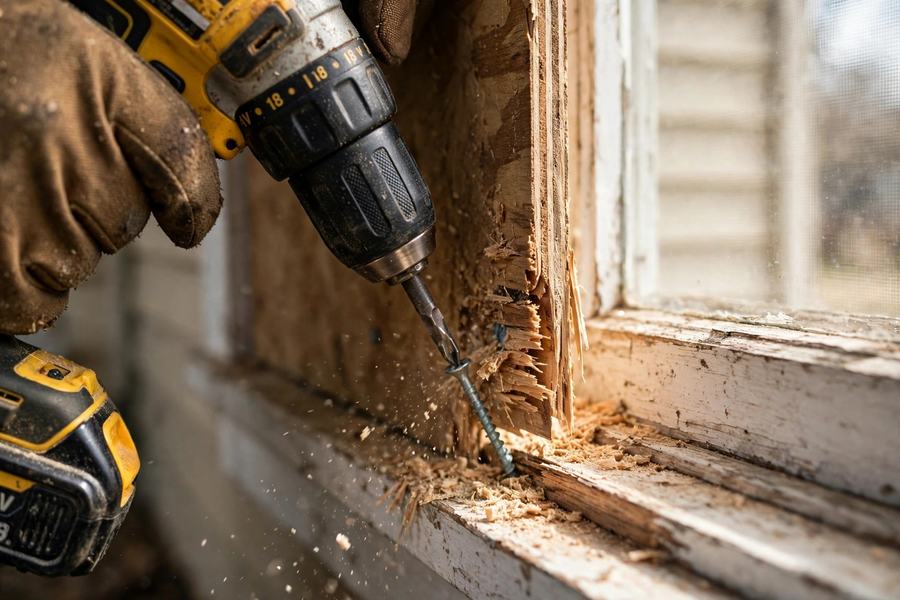
Emergency Board Up and Tarping
Securing a fire damaged home the same night: boarding broken windows and doors, and tarping roof damage so weather stays out.
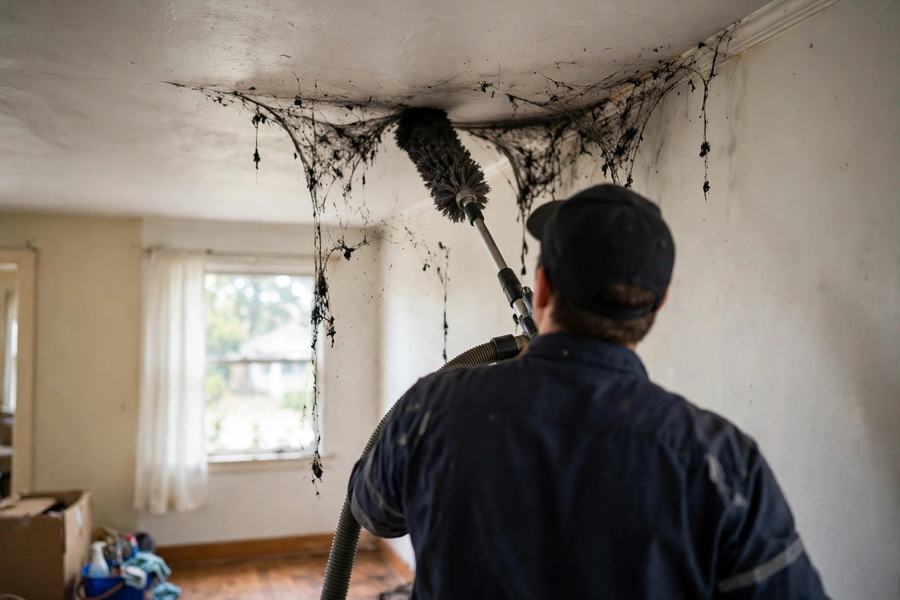
Soot Removal
Removing soot from walls, ceilings, appliances, and fixtures before its acidity etches and permanently stains surfaces.
Smoke Damage Cleanup questions, answered
When is smoke damage cleanup an emergency?
Smoke damage is not an emergency tonight unless the fire just happened, but do not run the furnace or air conditioning, and do not start wiping walls. Soot is acidic and starts permanently damaging metals, fixtures, and finishes within 24 to 48 hours, so the assessment should happen in the first day or two.
What affects the price of smoke damage cleanup in Saint Clair Shores?
The main price factors for smoke damage cleanup are covered in the cost section above. The contractor confirms the exact price in a written estimate after seeing the job, and nothing is owed until you approve it. The call and the referral are free.
Will insurance pay for temporary housing after a fire?
Usually yes, if your policy includes loss of use (Coverage D), which most standard homeowners policies do. It pays the additional living expenses of being displaced, hotel or rental, and the increased cost of meals and essentials, up to your policy limit, while the home is uninhabitable due to a covered loss. Keep every receipt from the first night. If the home is habitable after the assessment, loss of use generally does not apply, which is one reason the habitability decision gets documented carefully.
What is board up and why does it have to happen the same night?
Board up is securing the home after the fire: fitted boards over broken windows and doors, and tarps over roof damage. It has to happen the same night for three reasons. Weather through a broken roof or window turns a fire loss into a fire plus water loss by morning. An open, visibly damaged home invites entry and theft. And insurers expect the property to be protected from further damage as a condition of the claim. The board up work is photographed and becomes part of your claim documentation.
My furnace puffed soot through the whole house. Is that a fire claim?
It is a different job wearing a similar smell. A puffback is a delayed ignition in the furnace that blows soot through the duct system; there is no flame damage, so the scope is soot cleaning plus duct cleaning, sequenced around the furnace repair, and priced as cleaning rather than restoration. Coverage varies by policy and cause, which is why the first document is the furnace technician's finding, not a cleaning quote.
Request a callback
Prefer to talk later? Leave your details and an independent local pro will call you back. No charge to you, no obligation.
Lake St Clair Fire Restoration is a free referral service. Submitting this form connects you with independent local contractors who provide the work.